Adaptive protection for a shifting season.

Climate patterns do not follow a fixed calendar. Ladangspace uses a modular response framework so the active tools match the threat that is actually in front of the agency.

Explore Modularity
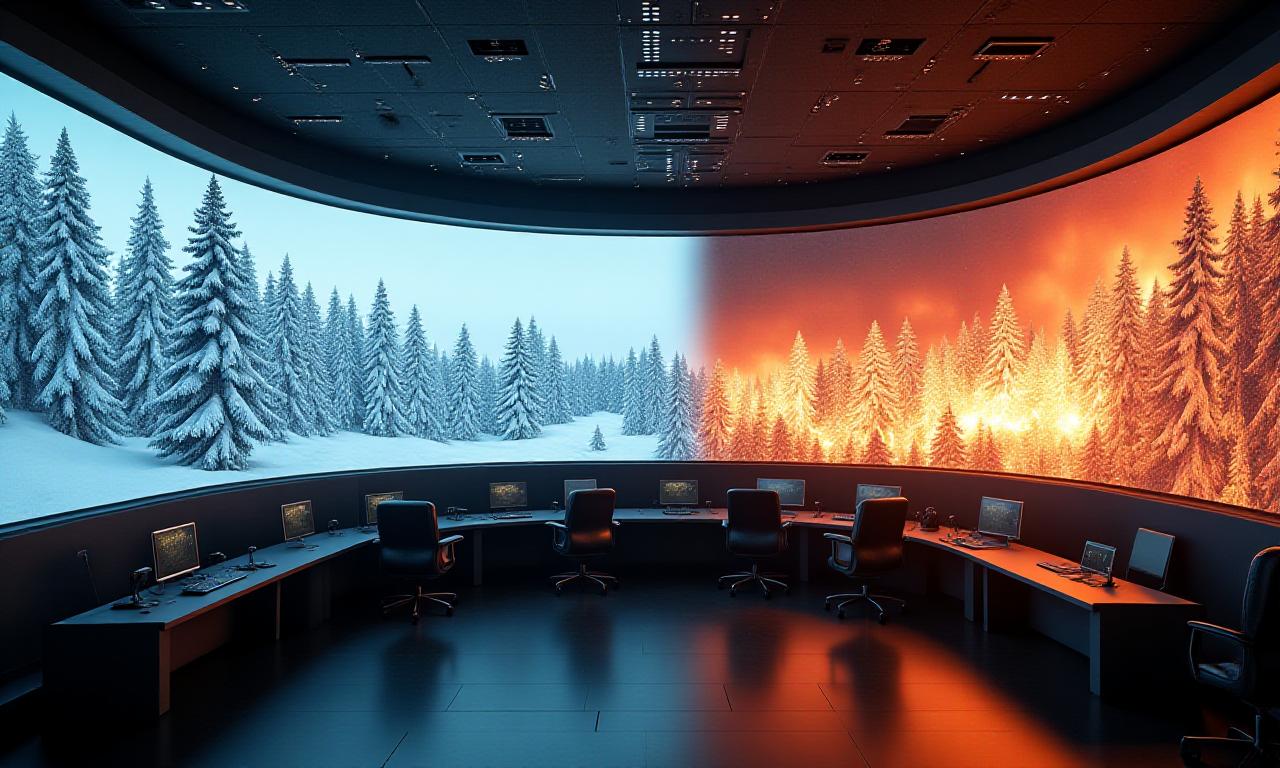
Control room with a display split between a winter forest and a wildfire

Dynamic resilience infrastructure

Static playbooks fail when the hazard changes faster than the paperwork. Modules swap the sensors, checklists, and channels the desk is watching.

The modular advantage

A wildfire response does not use the same data set as a blizzard deployment. Ladangspace keeps both ready and activates the one that matches the current atmospheric and incident profile.

Assets, sensors, and communication protocols can be exchanged without rebuilding the command picture. The record of the previous module stays attached to the incident timeline.

Close view of modular hardware rails used in response equipment

Fast module swap

Duty officers switch the active logic module from the command menu. The previous module remains available for review.

Remote link sync

Rural nodes can take a satellite path when terrestrial coverage is not reliable, then return to the primary link automatically.

Site hardening

Field nodes carry a cold-weather profile so enclosures, power checks, and alert thresholds match frost and ice conditions.

Threat profiles by season

Each profile pairs environmental data with the resources a UK agency actually has to move.

Winter storm tracking

Stock checks for salt, fuel, and heavy plant sit next to the forecast. The desk sees shortages before the first untreated route is reported.

Wildfire route planning

Evacuation corridors update as smoke and burn intensity change. Routes that are no longer passable drop out of the recommended set.

Flood zone intelligence

River, rainfall, and tide inputs feed the same map. Warnings can be raised for a reach before a legacy gauge crosses its threshold.

High-wind response

Structural alerts and lockdown checklists trigger for exposed infrastructure when wind thresholds for that site are crossed.

"How did we manage before Ladangspace? We were always catching up. Since the seasonal modules went live, response times dropped by 64% and unused deployments fell with them."

Eureka Waycott
Director of Logistics, Regional Emergency Response